Beard Itch vs Ingrown Hairs: How to Tell the Difference (and Fix Both)
Not all beard irritation is the same problem. How to tell ordinary beard itch from an ingrown hair, and the fix for each, especially around the neckline.
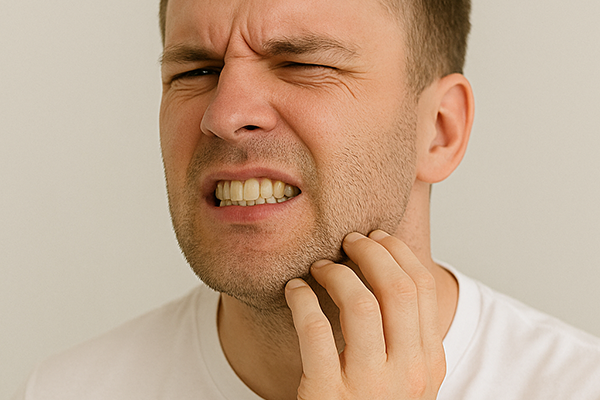
Your face itches, so you assume it's the same week 3 itch every beard guide warns you about. Sometimes it is. Sometimes it's a single hair curling back into your skin and throwing a small, localized tantrum. Treating one like the other either wastes two weeks waiting it out or makes an actual ingrown hair worse. From neck to nuts, here's how to tell them apart.
If you are still inside your first month, start with the itchy beard phase guide first; general new-beard itch is the more likely culprit early on.
What's the difference between beard itch and an ingrown hair?
General beard itch is widespread, mild, and improves with oil and time. An ingrown hair is a specific, localized bump, usually red or slightly raised, sometimes with a visible curled hair or small pustule at the center, and it does not respond to moisturizing the way general itch does. One is a phase. The other is a single hair causing a single problem.
What causes ingrown hairs in a beard?
A hair curls back or grows sideways into the skin instead of straight out, most often after shaving, trimming too short, or at the neckline where skin creases and hair direction changes. Curly and coarse hair is more prone to this than straight hair, which is part of why ingrown hairs concentrate along the neckline and jaw rather than spreading through the whole beard.
How do you get rid of an ingrown hair in your beard?
Stop shaving or trimming that spot, apply a warm compress for a few minutes to soften the skin, and gently exfoliate with a soft brush to help the hair work free on its own. Do not dig at it with tweezers or a needle. If a hair tip is visibly free and easy to lift with sterilized tweezers after a few days of this, you can ease it out; otherwise leave it alone.
Boar bristle brush. Gentle daily exfoliation is most of the fix. This does the exfoliating without irritating the skin further.
How do you prevent ingrown hairs on your neckline?
Shave or trim in the direction of hair growth, not against it, and keep the neckline area moisturized so skin stays flexible instead of tight and prone to trapping hair. A dull blade is a bigger risk factor than people assume, since it tugs hair instead of cutting cleanly, so replace blades more often than feels necessary. Full neckline technique is in our neckline guide.
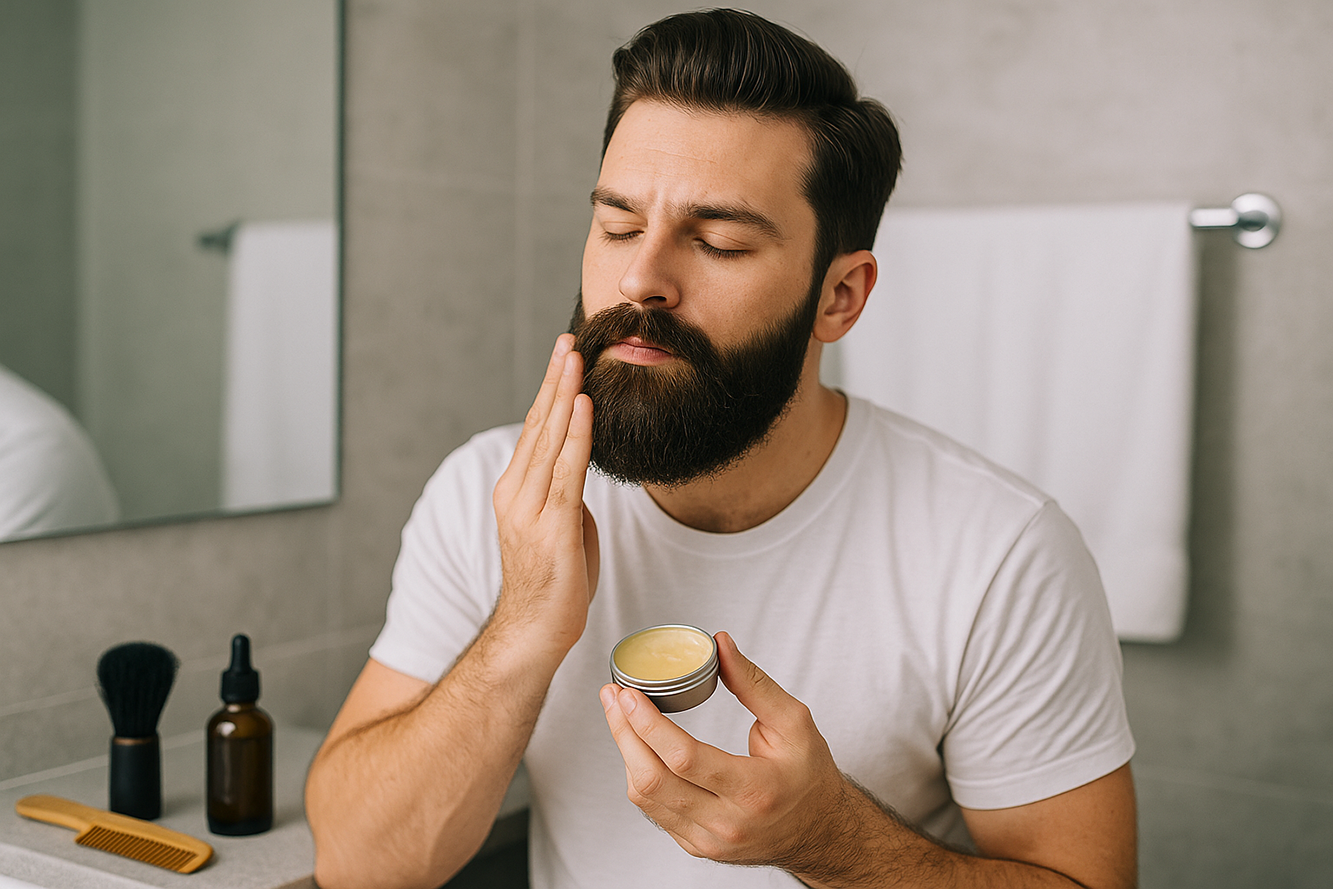
Beard oil. Worked into the skin along the neckline daily, it keeps skin supple enough that hair has an easier time growing straight out instead of curling back in.
Is beard itch or an ingrown hair more common?
Beard itch, by a wide margin, especially in the first month of growth. Ingrown hairs are a smaller-scale, ongoing risk tied mostly to shaving and trimming along the neckline, not to beard growth itself. If your whole face is uncomfortable, it's probably itch. If one specific spot keeps flaring up in the same place, it's probably an ingrown hair.
When should you see a dermatologist about an ingrown hair?
If it's not resolving after two to three weeks of leaving it alone, if it's growing larger, filling with pus, or spreading to nearby hairs, or if you're dealing with recurring ingrown hairs in the same spots badly enough to leave scarring or dark marks. A dermatologist can also prescribe treatments for chronic cases that home care will not fix on its own.
The honest playbook
Widespread mild discomfort in a beard under a month old is itch, and oil plus time fixes it. A specific red bump that doesn't respond to moisturizer is an ingrown hair, and gentle exfoliation plus leaving it alone fixes most of those. Shave and trim with the grain, keep blades sharp, and moisturize the neckline daily to keep new ones from starting.
Most beard irritation sorts itself into one of these two buckets. Knowing which one you have saves you two weeks of waiting on a problem that needed a different fix entirely.